For families
Dairy cow stories to share
Shorter tellings of the same researched stories, for reading aloud or for a curious afternoon. The surprising bits are still true, or clearly labelled when they are only a legend.
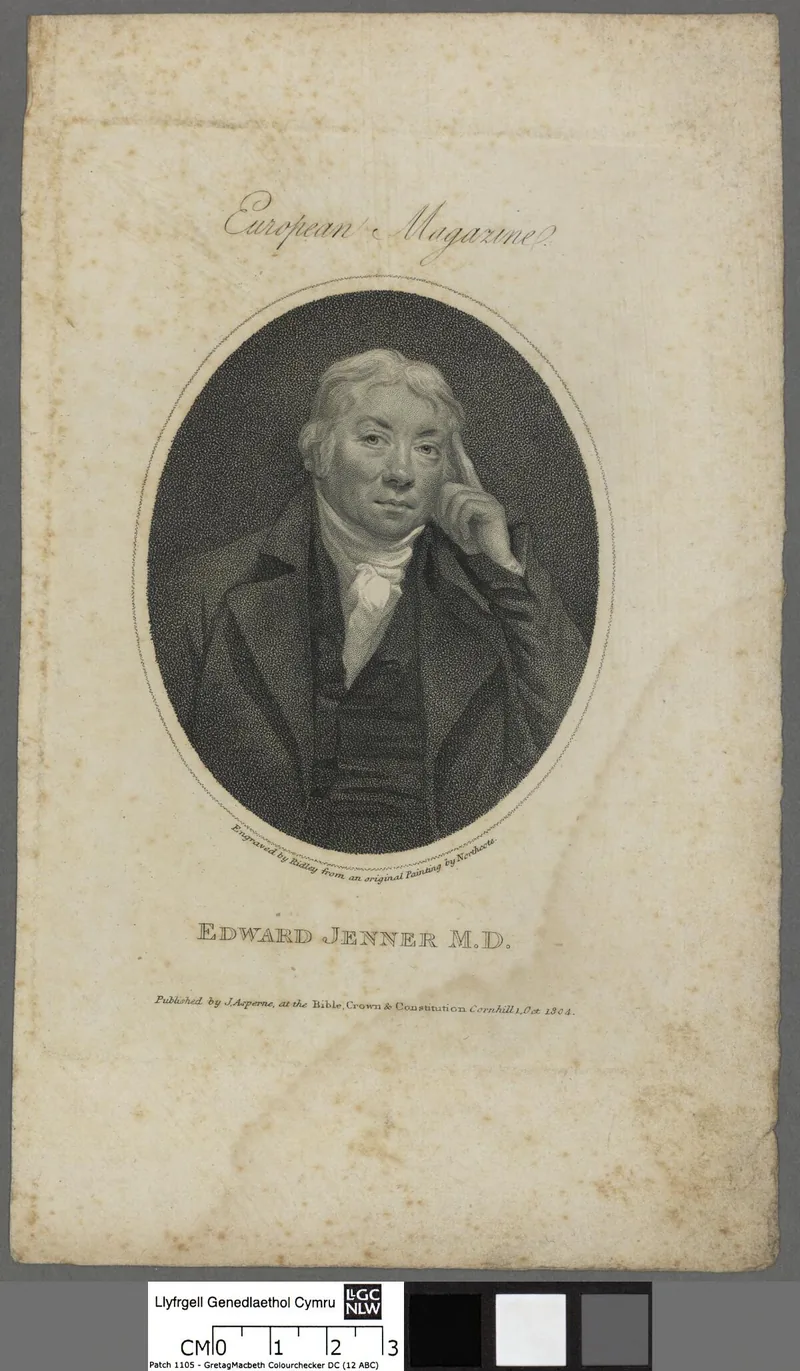
A word we got from a cow
A long time ago, people noticed that milkmaids — the women who milked cows — often seemed not to catch a dangerous illness called smallpox. A doctor named Edward Jenner wanted to know if that was more than a story. In 1796 he used material from a cowpox sore on a milkmaid’s hand, and later showed that a boy, James Phipps, did not catch smallpox. He called the method vaccination, from a Latin word for cow. [source][source] Every time someone says “vaccine” now, a cow is hiding in the word.
Cows on an Antarctic expedition
In the 1930s, Admiral Byrd took three golden Guernsey cows to Antarctica on a ship called the Jacob Ruppert. Their names were Klondike Gay Nira, Deerfoot Guernsey Maid and Foremost Southern Girl. A man named Edgar Cox looked after them, and lived with them in a barn built for the trip. A calf was born just north of the Antarctic Circle, and was named Iceberg. [source] You can read the full official story on its own page, and later, on the tractor site, how farm tractors went all the way to the South Pole.
A dairy with secret fountains
Near Frogmore House, by Windsor, there is a Royal Dairy built in 1848. Inside, when it was new, milk sat in pans on marble tables. Under the marble, water ran from three fountains — a mermaid, a merman, and a lady holding a jug — to keep the pans cool, so the cream could be skimmed and sent to the palaces. [source] The statues were beautiful. They were also a machine.
What official figures actually count
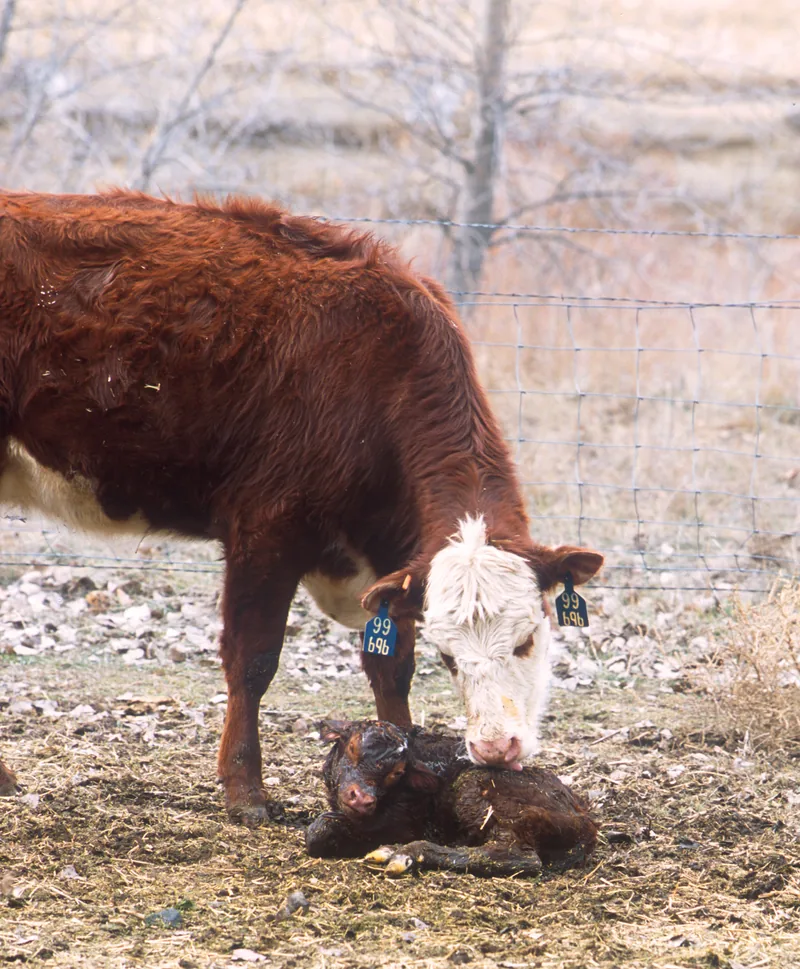
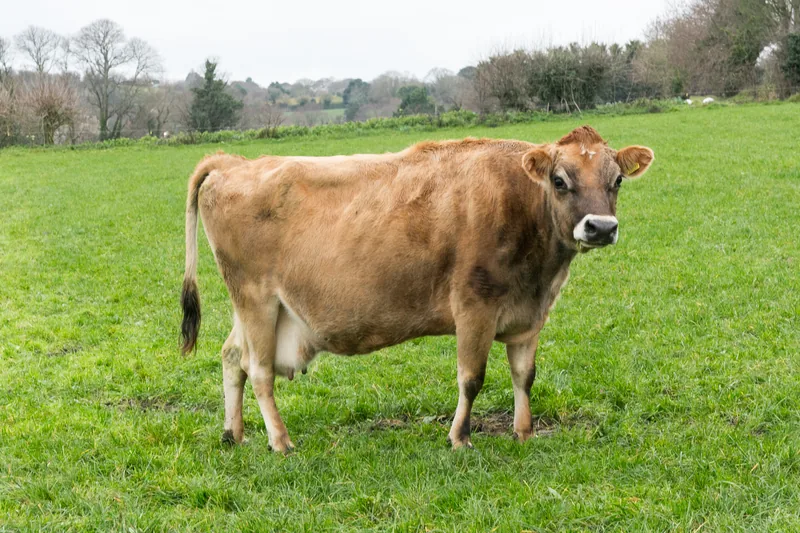
When the United Kingdom counts dairy cows in its 2025 figures, it uses a careful sentence: a dairy cow is a female dairy cow over two years old who has had offspring. [source] That is why the photograph of a two-year-old cow with her newborn calf, even though it is an American picture, belongs on this site. It shows the kind of animal the official sentence is talking about.
A game, and something to print
There is a quiz with explained answers, and a timeline game. If you would like a page to pin up, the free fact sheets are typographic — words and sources, no photographs — in A4 and US Letter.
Keep exploring
Enjoyed the dairy?
No pop-ups. No intrusive advertising. Just interesting stuff. A little support helps the next farmyard site get built.